

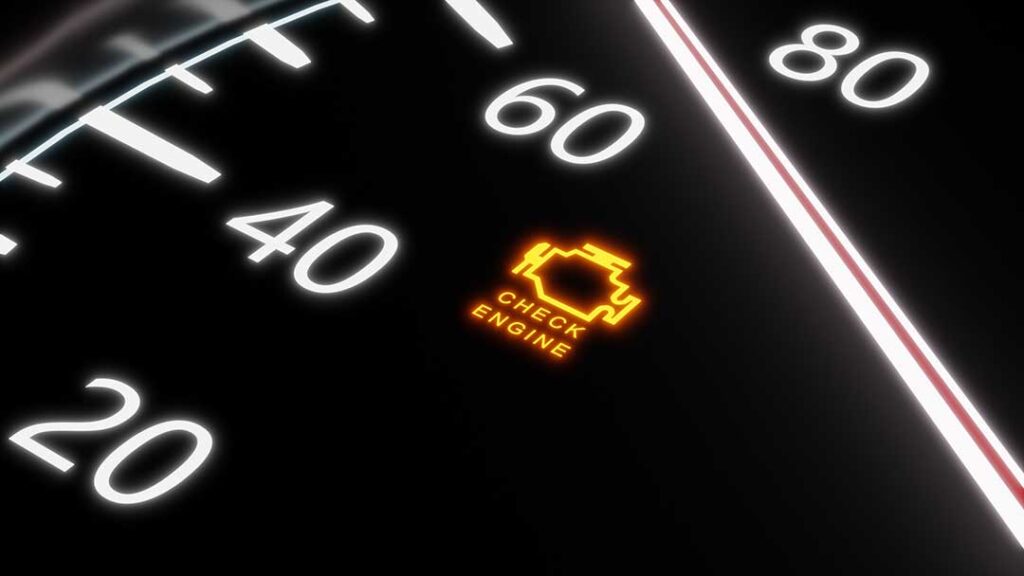
What does an engine warning light mean?
An engine warning light means the vehicle’s computer has detected a condition that may affect emissions, engine operation, fuel economy, or drivability. The light does not automatically mean the engine is failing, but it should not be ignored.
Most vehicles use a yellow or amber check-engine symbol. The light may appear as an outline of an engine or display a message such as “Service Engine Soon.” Its meaning depends on whether it is steady or flashing, what symptoms appear with it, and whether other warning lights are illuminated.
A warning light is a starting point for diagnosis, not a complete explanation. The vehicle’s computer stores a diagnostic trouble code, but that code identifies a monitored system or condition rather than always naming the failed part.
Is a steady check-engine light safe to drive with?
A steady light often indicates a problem that is not immediately causing severe engine damage, but driving should still be limited until the cause is understood. If the vehicle runs normally, a short, careful trip may be reasonable. Avoid heavy acceleration, towing, high speeds, or long-distance driving until the issue is checked.
Common causes include:
- A loose or damaged fuel cap
- An emissions-control fault
- A failing oxygen sensor
- An intake air leak
- A problem with the ignition system
- A catalytic converter efficiency issue
- A sensor or wiring fault
- An engine misfire that is not yet severe enough to trigger a flashing light
Temperature changes can expose weak seals, hoses, and electrical connections. In Hiram, GA, vehicles also experience humid summers, heavy rain, and occasional cold snaps, all of which can contribute to moisture-related electrical problems or changes in how rubber components seal.
A steady light accompanied by poor acceleration, rough idling, stalling, unusual smells, or reduced fuel economy deserves prompt attention even if the vehicle remains drivable.
What does a flashing engine warning light mean?
A flashing check-engine light usually indicates an active misfire severe enough to damage the catalytic converter or create unsafe driving conditions. A misfire occurs when one or more cylinders fail to burn the air-fuel mixture correctly.
Reduce speed immediately and avoid unnecessary driving. If the engine is shaking, losing power, producing smoke, or making unusual noises, stopping in a safe location is the prudent choice. Continuing to drive while the light flashes can turn a relatively contained ignition or fuel problem into a more expensive emissions-system failure.
A flashing light is different from a light that briefly appears during startup. Most warning lights illuminate for a few seconds when the ignition is switched on as part of a self-test. That brief illumination is normal. The concern is a light that continues flashing after the engine starts or begins flashing while driving.
Which warning lights should drivers take most seriously?
The check-engine light is not the only warning symbol that involves the engine. Several other lights may require immediate action.
Oil pressure warning light
A red oil-can symbol usually indicates low oil pressure, not simply low oil level. Turn the engine off as soon as it is safe. Running with inadequate oil pressure can cause severe internal damage within a short time.
Engine temperature warning light
A red thermometer or temperature symbol may indicate overheating. Pull over safely, shut off the engine, and allow it to cool. Do not remove a radiator cap while the engine is hot because pressurized coolant can cause serious burns.
Battery or charging-system light
A red battery symbol generally points to a charging-system problem rather than a bad battery alone. The vehicle may continue running briefly on stored electrical power, then stall once the battery is depleted. Electrical accessories may stop working, and steering effort may increase in some vehicles.
Reduced-power or drivetrain messages
A message such as “Reduced Engine Power” means the computer has limited performance to protect the engine, transmission, or emissions system. Avoid demanding acceleration and treat the warning as a prompt for timely diagnosis.
Why did the light turn off by itself?
A warning light may turn off when the computer no longer detects the condition during several drive cycles. That does not necessarily mean the problem is permanently fixed.
For example, a fuel cap that was not fully sealed may trigger an evaporative-emissions code. Tightening the cap can correct the sealing problem, but the light may remain on until the vehicle completes its self-checks. Conversely, a loose connection, intermittent sensor fault, or small vacuum leak may temporarily stop occurring and then return later.
The stored code may remain in the computer even after the light goes out. Reading the code can help identify what happened, especially if the vehicle experienced rough running, hard starting, or unusual fuel consumption.
Can a diagnostic code identify the exact failed part?
Usually, no. A diagnostic code describes the condition the computer observed. It does not always prove which component needs replacement.
A code related to an oxygen sensor, for instance, may be caused by the sensor itself, an exhaust leak, damaged wiring, an intake leak, a fuel-delivery issue, or another condition that changes the exhaust reading. Replacing parts based only on the code can waste money and may leave the original problem unresolved.
A reliable diagnosis considers:
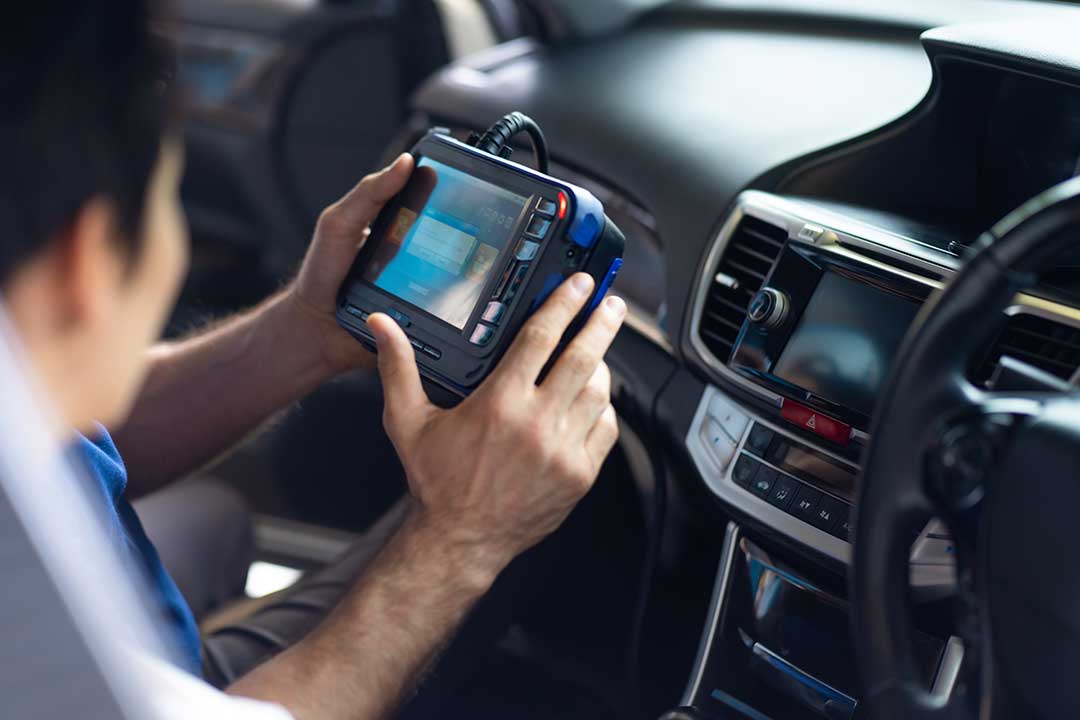
- The code and its supporting data
- Vehicle mileage and maintenance history
- Symptoms occurring at the same time
- Freeze-frame information recorded when the fault appeared
- Wiring, hoses, connectors, and grounds
- Basic mechanical and electrical test results
The code is valuable information, but it is not a verdict.
What should a driver check before seeking diagnosis?
A few safe observations can provide useful clues:
- Confirm that the fuel cap is present and tightened until secure.
- Check whether the engine is running roughly or vibrating.
- Look for smoke, fluid leaks, or a strong fuel smell.
- Note whether the warning appeared after refueling, heavy rain, a cold start, or a long drive.
- Watch the temperature gauge and oil-pressure display.
- Record whether the vehicle has reduced power, delayed shifting, hard starting, or stalling.
- Avoid clearing the code before it is documented, because erasing it also removes helpful diagnostic information.
Do not reach into moving belts or fans, remove hot cooling-system parts, or continue driving through severe overheating or a flashing warning light.
How can seasonal driving affect warning lights?
Short trips, long periods of idling, and repeated cold starts can make some problems more noticeable. Vehicles that are driven mainly for school, errands, or commuting may not reach full operating temperature often enough for certain emissions monitors to complete.
After heavy rain, moisture can affect ignition components, connectors, or exposed wiring. During hot weather, vapor pressure and cooling-system demands increase. Winter cold can reveal weak batteries, marginal connections, and brittle hoses.
Keeping up with oil changes, inspecting fluid levels, replacing damaged air and fuel caps, and responding to rough running early can reduce the chance that a minor fault becomes a larger problem. Warning lights are most useful when treated as early information rather than something to cover up or reset.
When should driving stop immediately?
Stop driving and shut off the engine when a warning light is flashing, the oil-pressure light is red, the engine is overheating, smoke is visible, or the vehicle has severe shaking or major power loss. A steady check-engine light with normal operation is generally less urgent, but it still warrants timely investigation.
Understanding the difference between a steady and flashing light helps drivers make safer decisions. The symbol tells you that the vehicle detected a problem; the light’s behavior, accompanying symptoms, and other gauges help determine how urgently the vehicle should be taken off the road.