

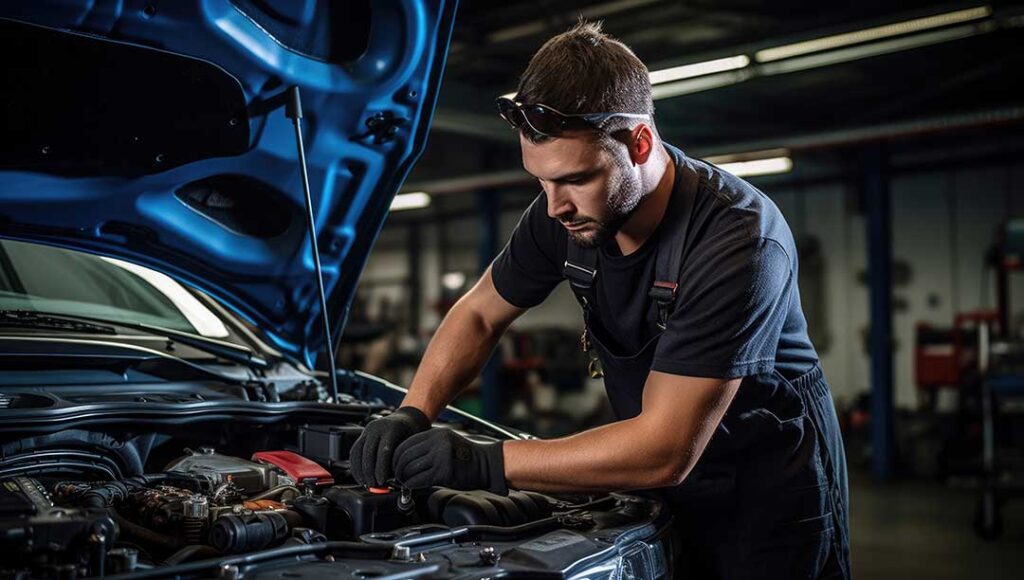
Regular fluid flushes help remove worn-out fluid, suspended debris, moisture, and harmful contaminants from a vehicle’s essential systems. For drivers in Hiram, GA, this maintenance can support smoother operation and reduce the risk of avoidable wear, especially when vehicles face hot summers, heavy rain, short trips, and frequent stop-and-go driving.
Fluid service is not limited to changing engine oil. Vehicles also rely on transmission fluid, coolant, brake fluid, power steering fluid, and differential or transfer-case fluid. Each serves a different purpose, and each deteriorates in a different way.
What does a fluid flush do?
A fluid flush removes a larger portion of old fluid from a system and replaces it with fresh fluid. Depending on the vehicle and the service procedure, the old fluid may be drained, extracted, or circulated out through the system.
A simple drain-and-fill does not always remove all of the old fluid. Some fluid remains in lines, coolers, pumps, reservoirs, or internal passages. A flush may replace more of the total fluid volume, but it is not automatically better for every vehicle or every situation.
The correct procedure depends on:
- The vehicle’s age and mileage
- The type of fluid required
- The manufacturer’s maintenance schedule
- The condition of the system
- Whether the system has a filter, cooler, or internal passages
- Whether the vehicle has already developed a mechanical problem
A flush is preventive maintenance, not a cure for a failing component.
Which vehicle fluids may need attention?
Different fluids protect different parts of the vehicle.
Transmission fluid lubricates gears, bearings, clutches, and valves while also helping control operating temperature. As it ages, it may darken, lose protective additives, or become contaminated with clutch material. Fresh fluid can help the transmission maintain proper hydraulic pressure and shifting performance.
Coolant protects against freezing and overheating while reducing corrosion inside the radiator, engine passages, water pump, and heater system. Over time, coolant additives become less effective. Old coolant may also allow rust or deposits to develop.
Brake fluid absorbs moisture from the surrounding air. That moisture lowers the fluid’s boiling point and can contribute to corrosion inside brake components. Under repeated braking, water-contaminated fluid may be more likely to overheat.
Power steering fluid, where used, lubricates and cools the steering pump and control components. Contamination can contribute to noise, stiff steering, seal wear, or pump damage.
Differential and transfer-case fluid protects gears and bearings that transfer engine power to the drive wheels. These fluids may be overlooked because they are not checked as often as engine oil, yet they can be especially important for vehicles used for towing, hauling, rough roads, or frequent rain exposure.
How do regular flushes benefit a vehicle?
The main benefit is preserving the fluid’s ability to control heat, reduce friction, and protect internal parts.
Fresh fluid may help:
- Reduce friction and component wear
- Carry heat away from heavily loaded parts
- Maintain proper hydraulic pressure
- Limit corrosion and deposit formation
- Support smoother transmission or steering operation
- Protect seals, pumps, valves, and bearings
- Extend the useful life of expensive components
The benefit is usually gradual rather than dramatic. A vehicle may not feel noticeably different after preventive service because the goal is to avoid developing a problem, not to create a performance upgrade.
A transmission that shifts normally may continue doing so because its fluid remains clean and chemically stable. A cooling system may prevent overheating because its coolant still has effective corrosion protection. These outcomes are easy to overlook because successful maintenance often prevents symptoms rather than removing them.
How often should fluids be flushed?
There is no single interval that applies to every vehicle. The owner’s manual should be the first reference, followed by the vehicle’s actual driving conditions.
Severe-use conditions may justify shorter intervals. Examples include:
- Frequent short trips that do not fully warm the vehicle
- Regular stop-and-go traffic
- Towing or carrying heavy loads
- Long periods of idling
- Driving on steep grades
- Repeated exposure to very hot temperatures
- Water crossings or unusually wet conditions
- High mileage or extended time between services
Many newer vehicles use specialized fluids and may have longer maintenance intervals than older models. Some transmissions are described as having “lifetime” fluid, but that term does not mean the fluid is immune to heat, oxidation, wear particles, or age. It generally refers to the expected service life under specified operating conditions.
Fluid color alone is not a reliable replacement for a maintenance schedule. Dark fluid may indicate age or contamination, but some fluids naturally change color during normal use. Fluid level, smell, laboratory testing, service history, and system performance provide more useful information.
Are fluid flushes always recommended?
No. An unnecessary or poorly performed flush can create problems, particularly if the wrong fluid is used or if the system already has serious internal wear.
A flush may not be appropriate when:
- The vehicle manufacturer specifies drain-and-fill service instead
- The system contains the wrong fluid or a mixture of incompatible fluids
- A leak has not been repaired
- The component is already slipping, overheating, or failing
- The service equipment is not suitable for that vehicle
- The fluid is heavily contaminated by coolant, water, or metal debris
There is also a common misconception that replacing old transmission fluid automatically causes a healthy transmission to fail. In many cases, the underlying issue is pre-existing wear that becomes noticeable around the same time as service. A proper inspection of fluid condition and vehicle history is more useful than relying on a blanket rule for or against flushing.
Why does local driving and weather matter?
Seasonal conditions can influence fluid stress. Hot weather increases the workload on cooling systems, transmissions, air-conditioning components, and power steering systems. Heavy rainfall can expose vehicles to standing water, road spray, and moisture around electrical and mechanical components.
Short local trips can also be harder on a vehicle than longer drives. The engine may not reach full operating temperature long enough to evaporate moisture and stabilize fluid temperatures. Repeated cold starts, idling, and stop-and-go traffic can place additional stress on oil, coolant, and transmission fluid.
Households with more than one vehicle may also overlook fluids in infrequently driven cars. A vehicle that sits for long periods can still experience moisture accumulation, seal aging, and fluid degradation. Time-based maintenance can matter as much as mileage.
What warning signs suggest a fluid problem?
Visible symptoms should not be ignored, but they do not identify the exact cause by themselves. Possible warning signs include:
- Transmission slipping, shuddering, or delayed engagement
- Overheating or an unexplained loss of coolant
- A spongy brake pedal
- Whining during steering
- Burning smells after driving
- Fluid spots under the vehicle
- Unusual gear or axle noise
- Rust-colored, milky, or heavily contaminated fluid
A warning light, rising temperature gauge, loss of braking performance, or sudden steering difficulty deserves prompt attention. Continuing to drive with low brake fluid, severe overheating, or a major transmission leak can turn a manageable maintenance issue into a safety problem or major mechanical damage.
What is the practical maintenance approach?
Keep records of fluid services, use only the specification listed for the vehicle, and avoid treating every fluid flush as a universal requirement. A sensible maintenance plan combines the manufacturer’s schedule with driving habits, mileage, age, inspection results, and the vehicle’s service history.
For residents in Hiram, checking fluid levels before long trips and reviewing maintenance records before seasonal temperature changes can make overlooked service needs easier to identify. Regular fluid maintenance cannot prevent every repair, but it can help essential systems operate within their intended temperature, lubrication, and pressure ranges.